Appliance Injuries in California
In California, everyday appliances like microwaves, heaters, and washing machines are meant to make life easier. But when a household appliance malfunctions, it can cause serious injuries, property damage, and upheaval for your family. If you or someone you love has been hurt by a defective device, you may feel overwhelmed and unsure of your next steps. Knowing your legal options under California law can help you take control and begin to recover.
Understanding the broader landscape of product liability and how it applies to defective household items is the first step toward holding manufacturers and retailers accountable. Appliance injuries can fall under various types of product defects, and California’s strict liability rules are designed to protect consumers.
What Counts as a Malfunction?
A malfunctioning appliance is any consumer product that fails to work as intended, leading to injury or property damage. This can stem from:
- Electrical shorts or fires in toasters, space heaters, or microwaves
- Exploding batteries in phones or laptops
- Faulty wiring in refrigerators or washing machines
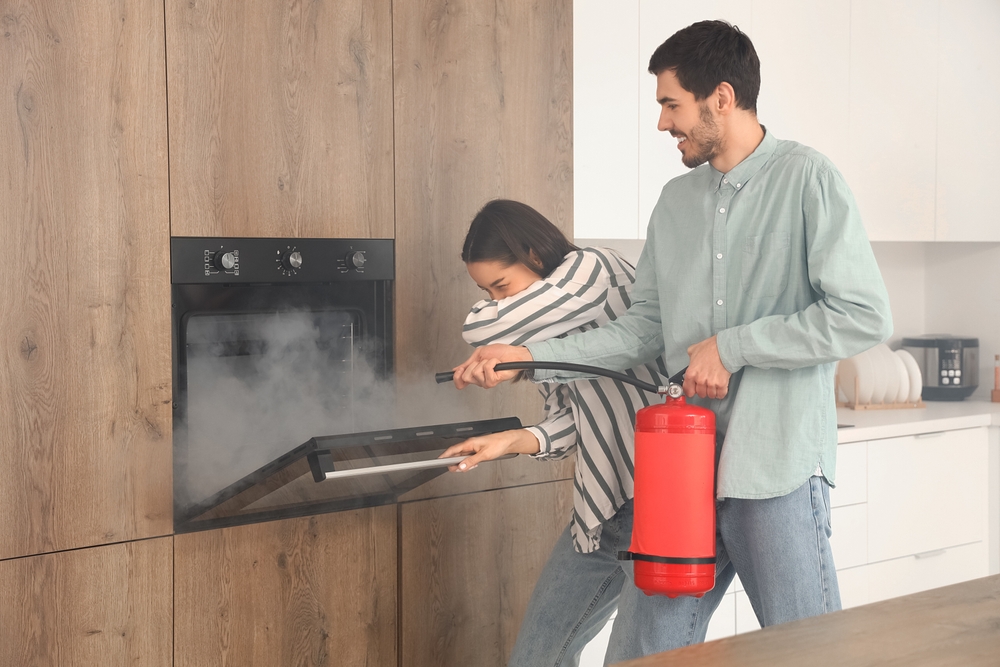
- Defective gas lines in stoves or ovens
- Overheating chargers or small kitchen gadgets
California law recognizes three main types of defects in appliances:
- Design defect: The product’s design is inherently unsafe.
- Manufacturing defect: An error during production makes the item dangerous.
- Failure to warn: Lack of proper instructions or warnings leads to misuse and injury.
You can read more about these categories in How to Prove a Consumer Product Was Defective.
California Product Liability Laws
California uses strict liability laws to protect people hurt by defective products. Under these rules, you don’t have to prove the manufacturer was negligent — only that the appliance was defective and caused your injury. This is different from some other states, where you may need to show the company acted carelessly.
Key legal principles include:
- Strict liability: If a product is unreasonably dangerous, manufacturers, distributors, and retailers can be held responsible even if they used reasonable care.
- Negligence: You may also have a claim if a company failed to act as a reasonable manufacturer would under similar circumstances.
- Breach of warranty: If the appliance breaks down prematurely or doesn’t work as promised, you may have a warranty claim. Understanding Manufacturer Responsibilities in Warranty Claims can help clarify your rights.
Common Appliance Injuries
Malfunctioning appliances can cause a range of injuries, including:
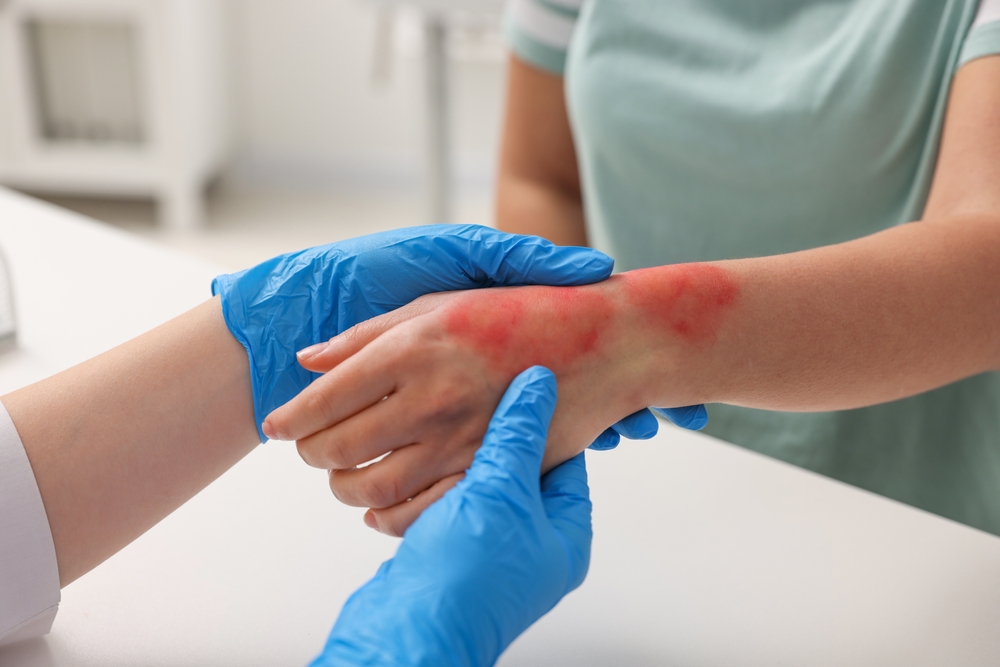
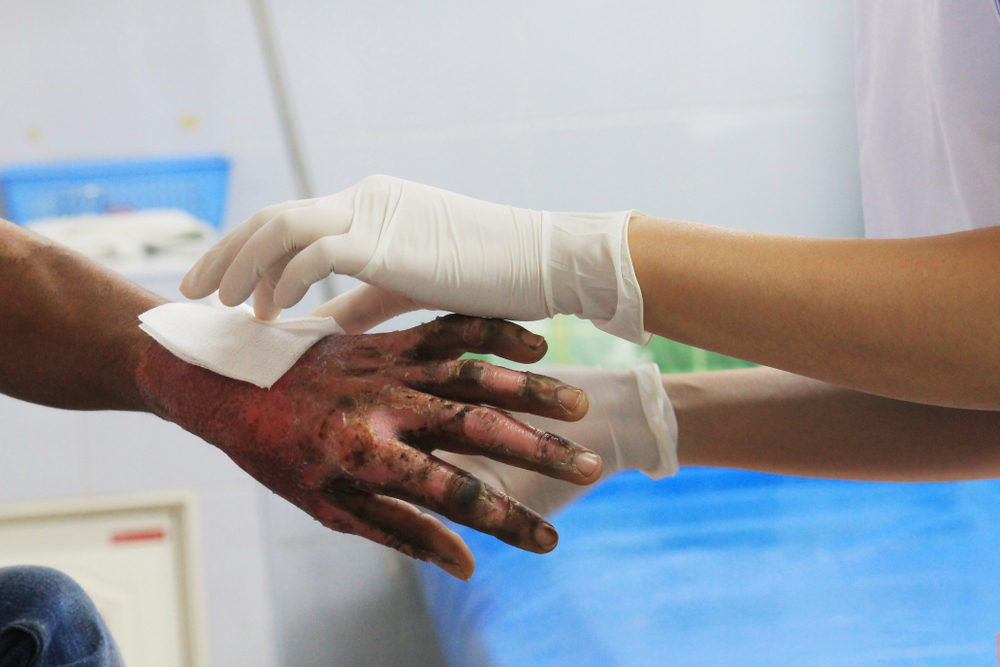
- Burns from electrical fires or overheating elements
- Electric shocks and electrocution
- Lacerations from exploding parts or broken glass
- Smoke inhalation or carbon monoxide poisoning
- Falls from sudden device failures (see also Slip and Fall)
- Property damage from leaks or fires
For a deeper dive, explore Common Dangers of Malfunctioning Appliances.
Who May Be Liable?
California law allows injured consumers to pursue claims against several parties, including:
- The manufacturer
- The distributor or wholesaler
- The retailer who sold you the appliance
Multiple companies might share responsibility if you can show the defect existed when the product left their control.
The rules for proving manufacturer liability in product cases can also apply to appliance claims.
What to Do After an Appliance Injury
Taking the right steps after an injury can protect your health and strengthen your legal case:
- Seek immediate medical attention, even for minor burns or shocks
- Preserve the appliance and all parts, if safe to do so
- Take photos of the scene, injuries, and damaged property
- Keep receipts, instruction manuals, and warranty documents
- Write down everything you remember about the incident
For more detailed advice, see How to Prove an Appliance Malfunction Caused Injury.
Reporting Appliance Incidents
In California, you can report dangerous or defective appliances to:
- The U.S. Consumer Product Safety Commission (CPSC)
- California Department of Consumer Affairs
These reports can help trigger recalls and protect others from harm. Learn more about steps to file a hazardous toy injury claim — much of the process applies to appliance incidents as well.
How to Document Your Claim
Documentation is key in a product liability case. Make sure to:
- Obtain your medical records and bills
- Gather evidence of lost wages and time off work
- Keep proof of appliance purchase and ownership
- Record repair or replacement costs for damaged property
See How to Document a Slip and Fall Injury for a Claim for practical documentation strategies.
Types of Damages You Can Seek
If an appliance injures you, you may be able to recover:
- Medical expenses (past and future)
- Lost wages or reduced earning capacity
- Pain and suffering
- Emotional distress
- Property damage repair or replacement
- Out-of-pocket costs related to the injury
Understanding compensation in consumer product lawsuits can help you know what to expect.
Time Limits for Filing
In most California product liability cases, you have two years from the date of injury to file a lawsuit. This is called the statute of limitations. If you wait too long, you may lose your right to sue.
Some exceptions may apply, such as delayed discovery of an injury, so it’s wise to speak with an attorney as soon as possible. Our Product Liability team can review your situation.
How Attain Law Can Help
The legal process for appliance injuries can be complex. At Attain Law, our attorneys can:
- Investigate the defect and gather evidence
- Identify all liable parties
- Work with engineers and product experts
- Handle negotiations with insurance companies and manufacturers
- Represent you in court if needed
For more information about our approach, visit Product Liability or see related topics like Defective Medical Devices and Faulty Consumer Products.
Related Legal Topics
If your situation involves children’s items, see Hazardous Toys. Injuries from cars or auto parts may fall under Defective Vehicle Parts or Traffic Accidents. If you’re dealing with a denied warranty claim, our team can help with Warranty Breaches.
Take the Next Step
Getting hurt by a malfunctioning appliance can disrupt your life, but you don’t have to handle the aftermath alone. To discuss your legal options and start your recovery, call Attain Law at (888) 970-8627 or contact us today for a free consultation. We’re here to support you every step of the way.
Frequently Asked Questions About Malfunctioning Appliance Injury Claims
Who can I sue after a malfunctioning appliance injury in California? In California, you may file a claim against the manufacturer, distributor, or retailer of a defective appliance if the defect caused your injury. Multiple parties can share responsibility.
What evidence do I need for an appliance injury claim? Evidence includes the defective appliance itself, photos of injuries and damage, medical records, receipts, and documentation of lost wages or other expenses.
How long do I have to file a lawsuit for an appliance injury in California? You generally have two years from the date of injury to file a product liability lawsuit in California. Some exceptions may apply, so consult a lawyer promptly.
What damages can I recover in a California appliance injury case? You may recover medical costs, lost wages, pain and suffering, property damage, and other out-of-pocket expenses related to your injury.
Are there recalls for dangerous appliances in California? Recalls are issued by the U.S. Consumer Product Safety Commission. You can check their website for appliance recalls that may affect California residents.
Do I need to prove the manufacturer was negligent? No. California’s strict liability laws mean you only have to prove the appliance was defective and caused your injury, not that the manufacturer acted negligently.